In-Depth Health Insights Await
Stop Guessing. Start Managing Your Health.
In one session, we measure how your body is built, how it moves, and how it produces energy — then show you exactly what to do next.
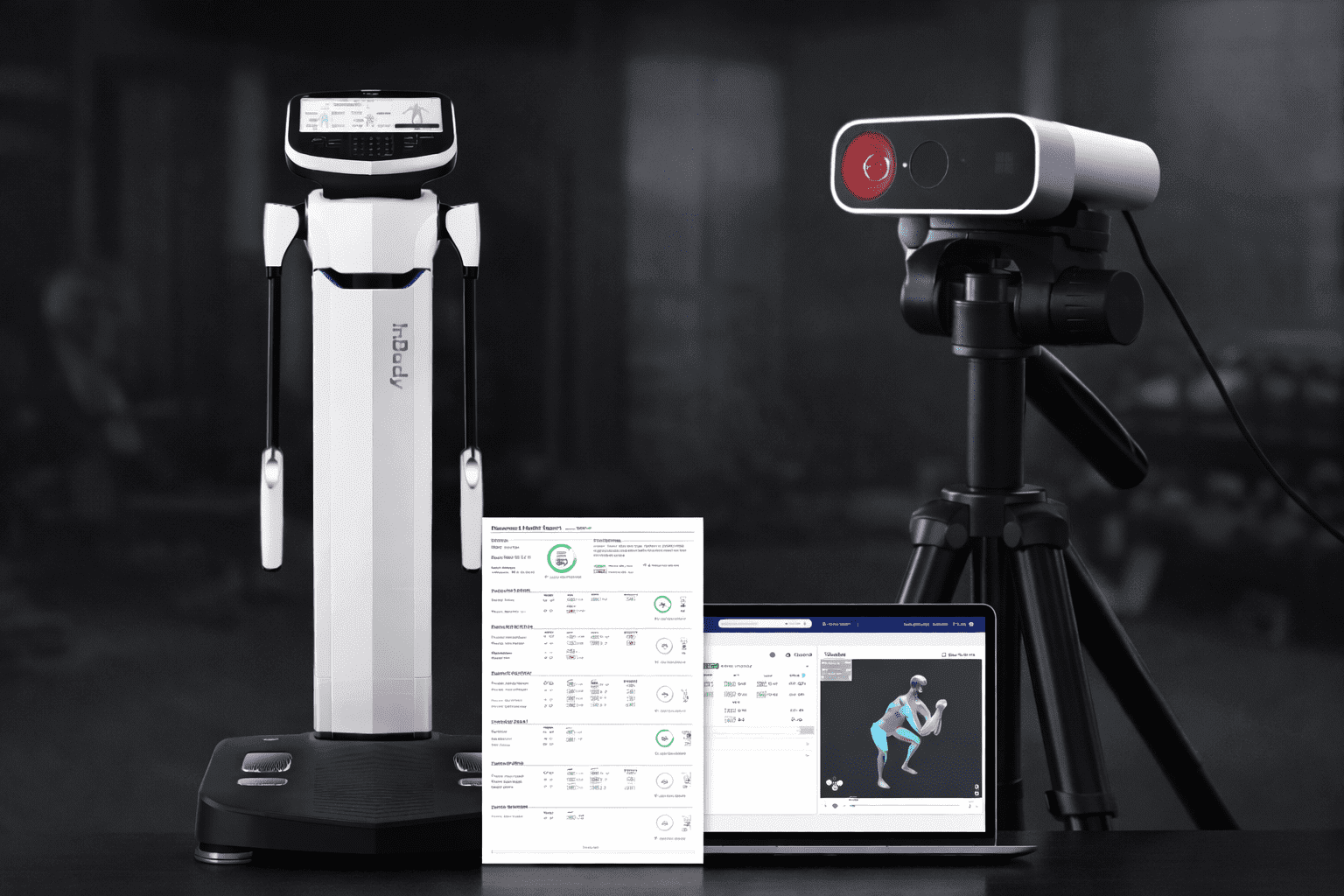
Most people train symptoms
Why Traditional Approaches Fail
They chase weight, soreness, calories, or motivation.
That’s why results stall.
Because systems go unmeasured.
At Fluid, we measure the system first — then build the plan.
What's Included in Your Baseline Analysis?
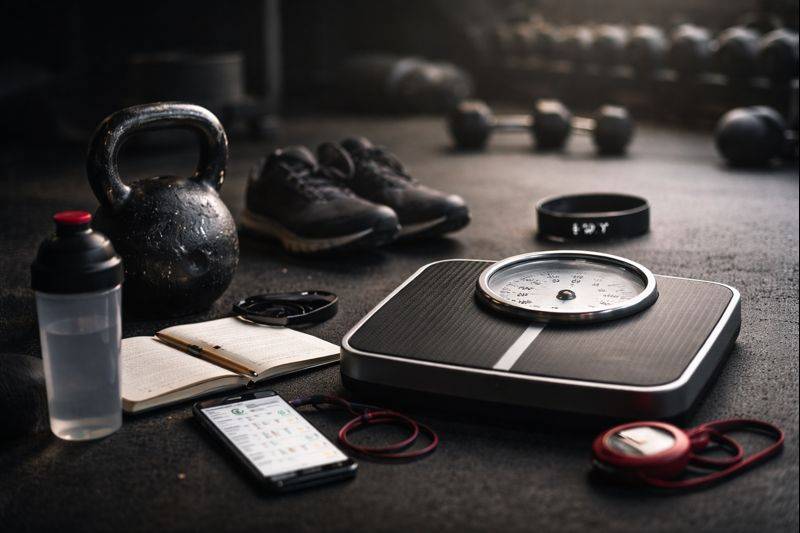
✔ 3D motion capture (movement efficiency & asymmetries)
✔ InBody body composition (muscle vs fat, segmental lean)
✔ One-on-one debrief (your plan, not a printout)
Want to add a Precision Upgrade?
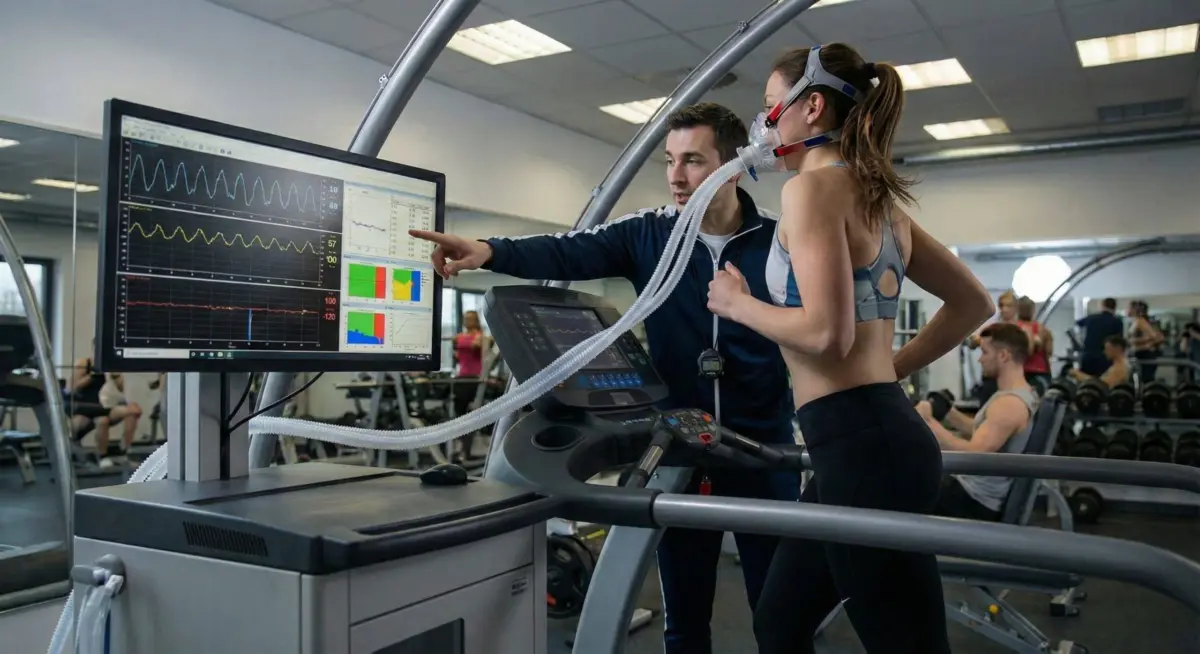
✔ Resting or Active Metabolic Test
(Know your BMR and train in the right zones, not guess)
(+$100)
Latest Insights and Tips

Mastering the Sagittal Plane: A Week 1 Guide to Head-to-Hip Mechanics
Week 1 of the Applied Fundamentals course at Fluid Health and Fitness initiated our comprehensive exploration of sagittal plane stance mechanics. The sagittal plane—responsible for flexion and extension, or front-to-back movement—plays a critical role in maintaining postural alignment, joint stability, and movement efficiency. Our focus this week spanned from the cervical spine down to the hips and knees, outlining the foundational movement principles and postural baselines needed for sustainable biomechanics.
The Difference Between Flexibility and Mobility
Flexibility and mobility are terms often used interchangeably, but they are not the same. Understanding their differences can help you train more effectively and move better in daily life and sports.
Breathing Biomechanics – The Foundation of Core Stability
Breathing is more than just taking in oxygen; it’s a key player in movement and stability. The diaphragm, transverse abdominis, and pelvic floor muscles make up your inner unit, which stabilizes the core during dynamic movements.