In-Depth Health Insights Await
Stop Guessing. Start Managing Your Health.
In one session, we measure how your body is built, how it moves, and how it produces energy — then show you exactly what to do next.
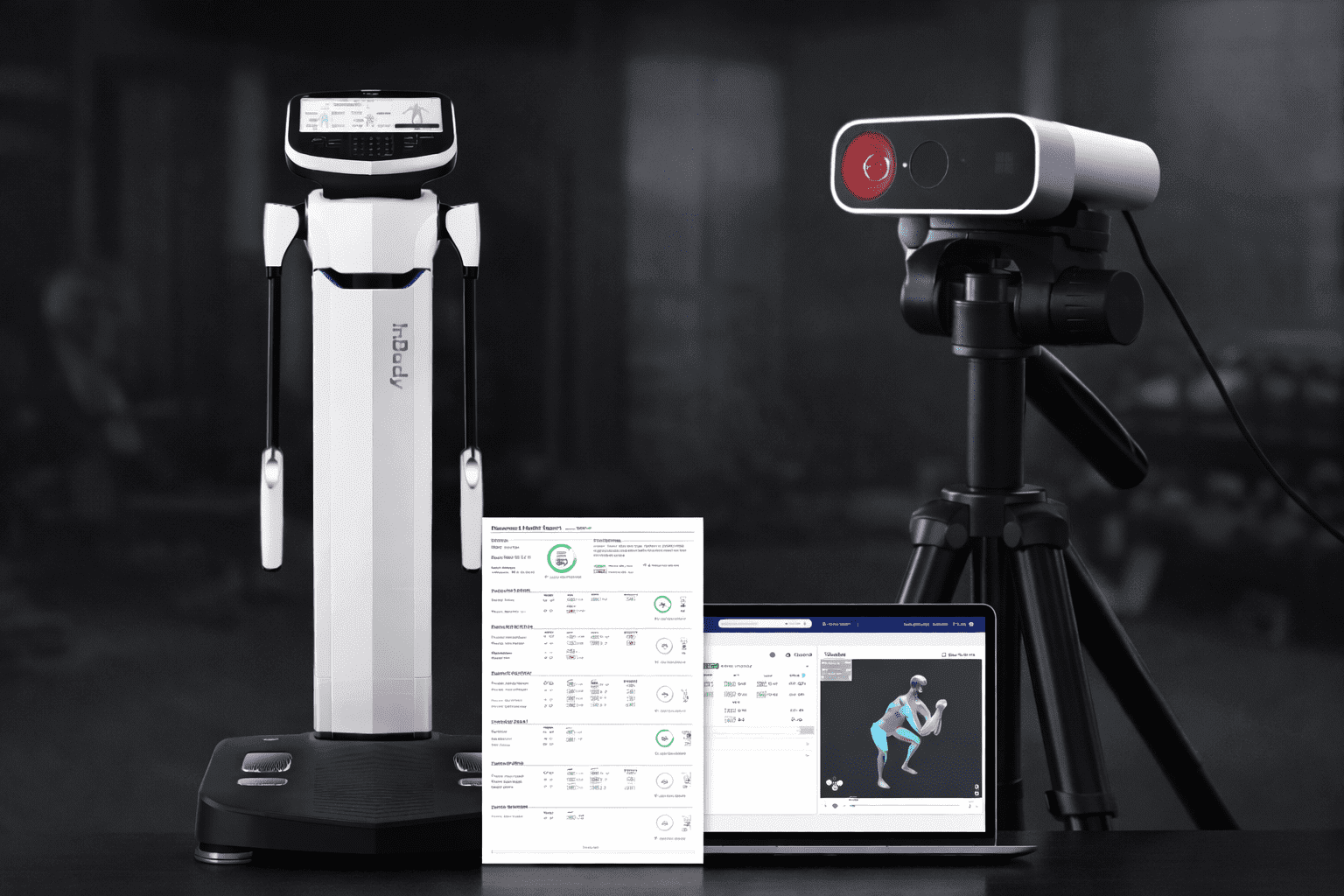
Most people train symptoms
Why Traditional Approaches Fail
They chase weight, soreness, calories, or motivation.
That’s why results stall.
Because systems go unmeasured.
At Fluid, we measure the system first — then build the plan.

What's Included in Your Baseline Analysis?
✔ 3D motion capture (movement efficiency & asymmetries)
✔ InBody body composition (muscle vs fat, segmental lean)
✔ One-on-one debrief (your plan, not a printout)
Want to add a Precision Upgrade?
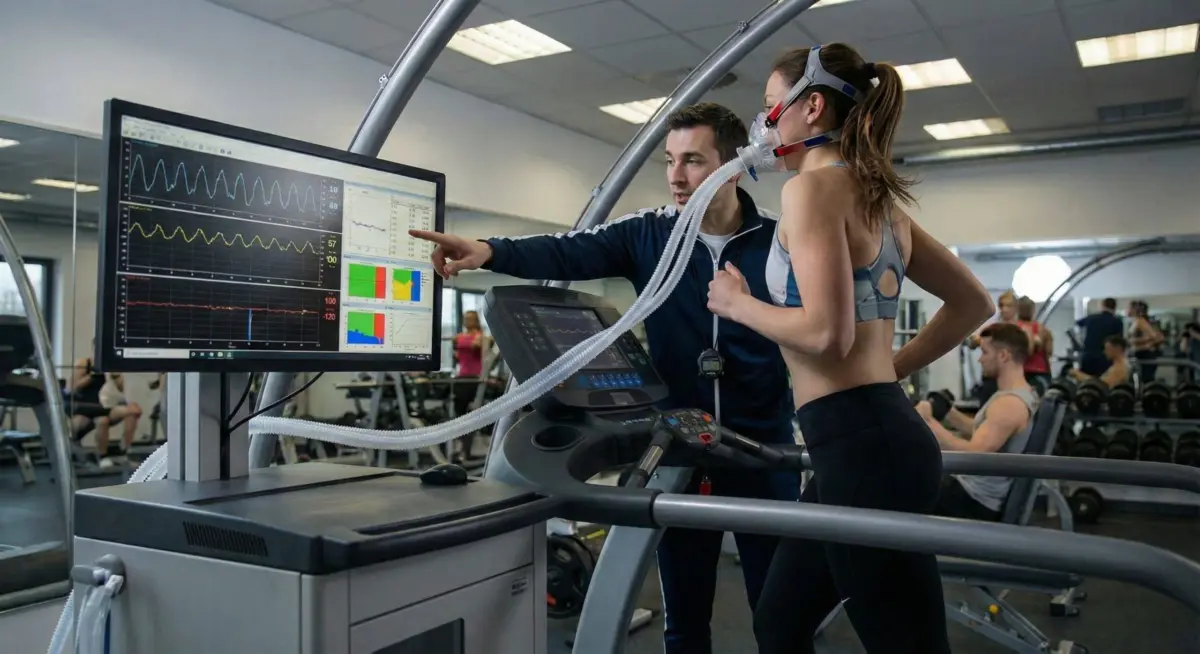
✔ Resting or Active Metabolic Test
(Know your BMR and train in the right zones, not guess)
(+$100)
Latest Insights and Tips
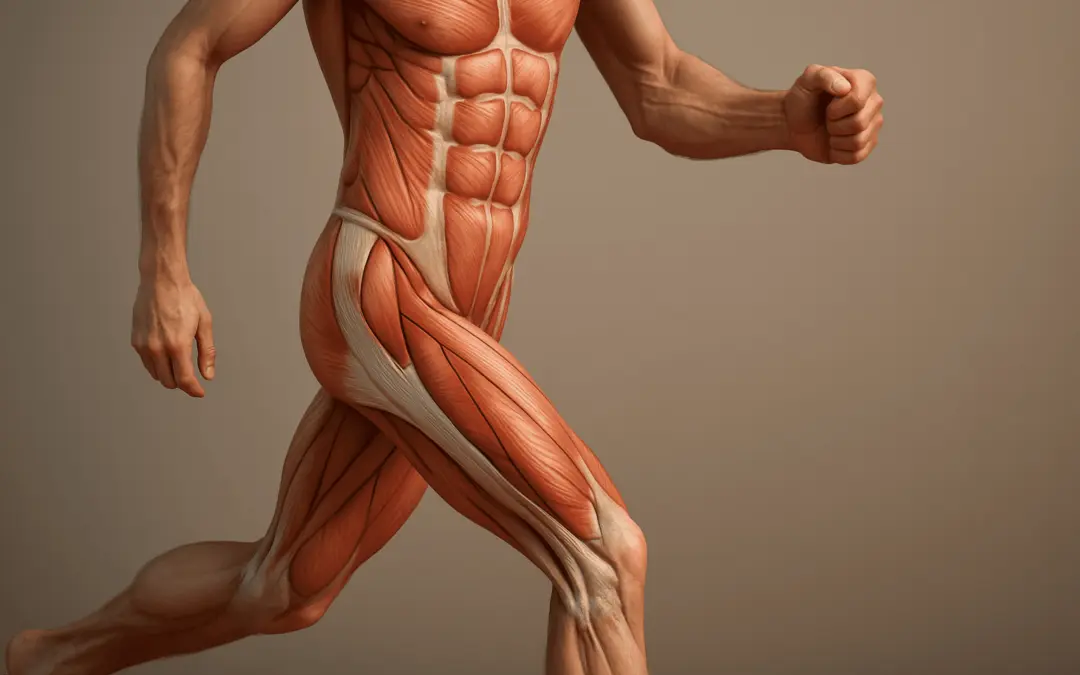
The Anterior Oblique Sling — The Cross-Body Engine of Human Movement
When you rotate, reach, or step forward, your body isn’t just moving in parts—it’s connecting across diagonals. This connection is powered by the Anterior Oblique Sling (AOS), a system of muscles and fascia that links your trunk to your opposite-side leg. It’s how the body maintains stability during motion, especially when twisting, throwing, or walking. Read more…
Mastering the Sagittal Plane: A Week 2 Guide to Stance Mechanics
In Week 2 of Fluid’s Applied Fundamentals series, we took a deep dive into the sagittal plane—the forward and backward plane of motion that governs much of human posture and locomotion. Mastery of this plane is foundational for efficient movement and long-term joint integrity. From your shoulder girdle to your pelvic core, and down through your ankles and feet, the alignment and function of these structures directly influence your capacity to move safely and powerfully.
Mastering the Sagittal Plane: A Week 1 Guide to Head-to-Hip Mechanics
Week 1 of the Applied Fundamentals course at Fluid Health and Fitness initiated our comprehensive exploration of sagittal plane stance mechanics. The sagittal plane—responsible for flexion and extension, or front-to-back movement—plays a critical role in maintaining postural alignment, joint stability, and movement efficiency. Our focus this week spanned from the cervical spine down to the hips and knees, outlining the foundational movement principles and postural baselines needed for sustainable biomechanics.