In-Depth Health Insights Await
Stop Guessing. Start Managing Your Health.
In one session, we measure how your body is built, how it moves, and how it produces energy — then show you exactly what to do next.
Most people train symptoms
Why Traditional Approaches Fail
They chase weight, soreness, calories, or motivation.
That’s why results stall.
Because systems go unmeasured.
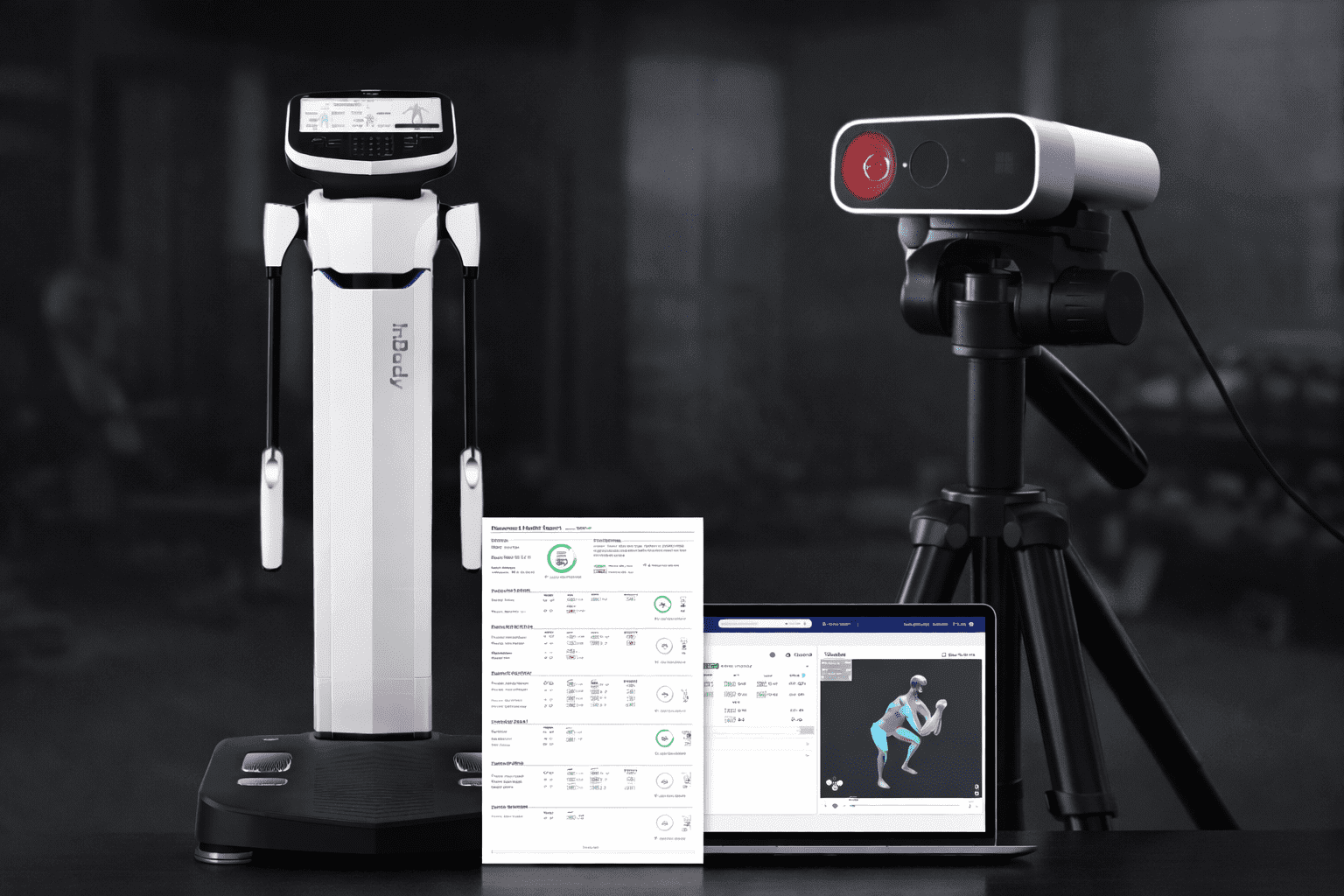
At Fluid, we measure the system first — then build the plan.

What's Included in Your Baseline Analysis?
✔ 3D motion capture (movement efficiency & asymmetries)
✔ InBody body composition (muscle vs fat, segmental lean)
✔ One-on-one debrief (your plan, not a printout)
Want to add a Precision Upgrade?
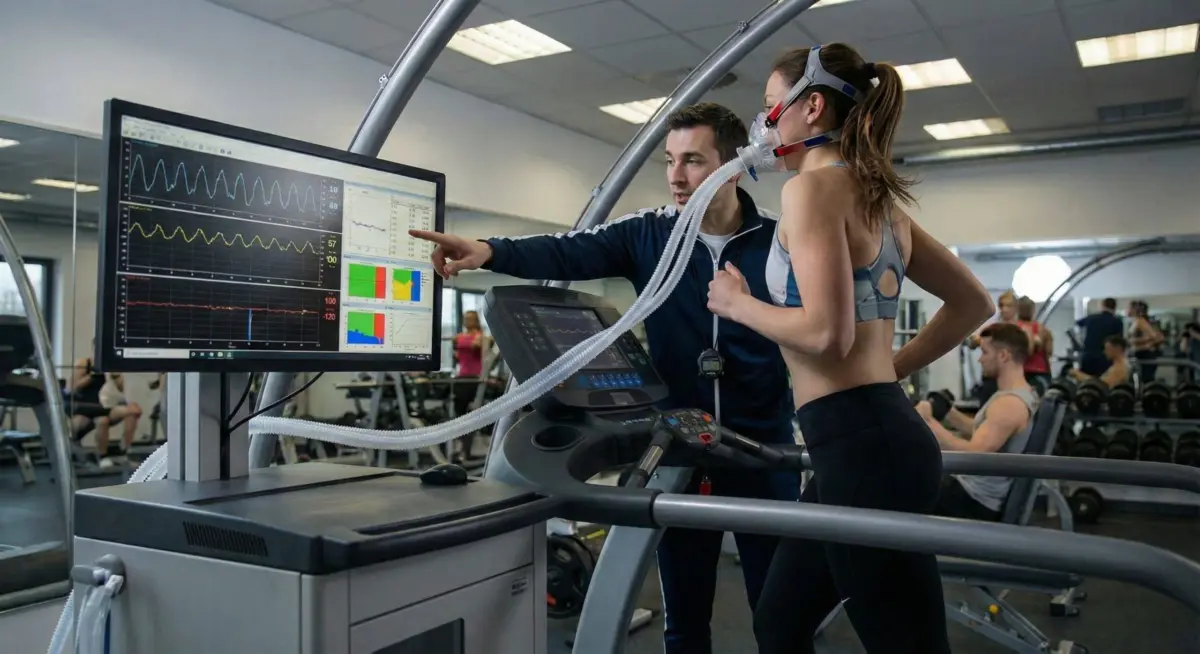
✔ Resting or Active Metabolic Test
(Know your BMR and train in the right zones, not guess)
(+$100)
Latest Insights and Tips
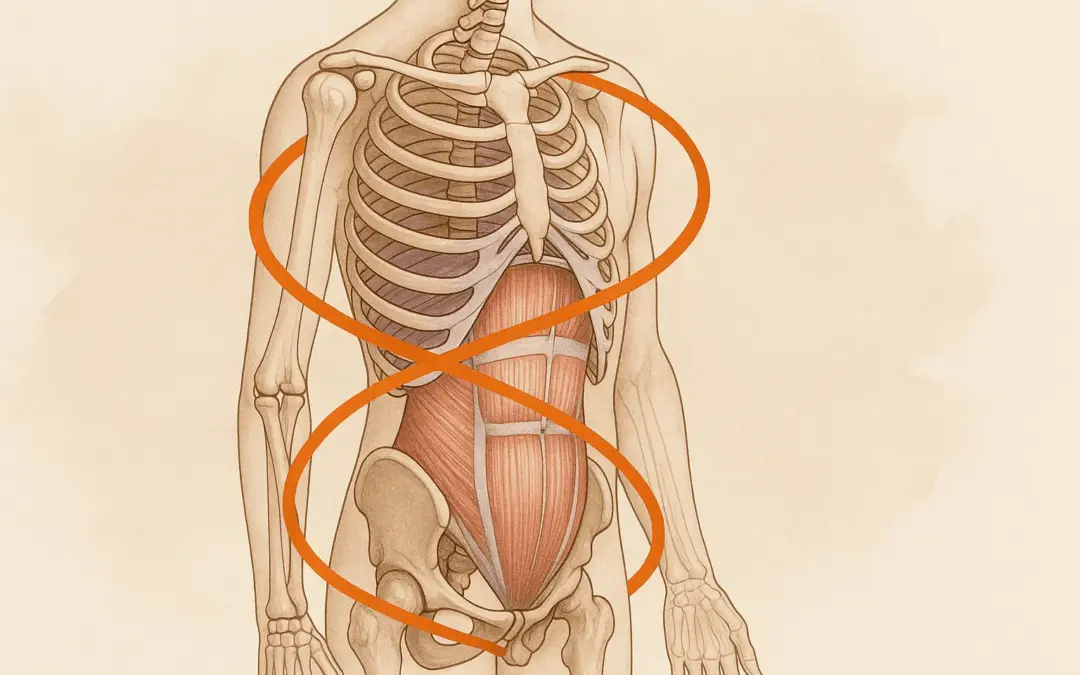
The Axial Engine: How Your Core’s Deep System Drives Stability, Rotation, and Movement Efficiency
Your spine, rib cage, and pelvis form the body’s axial engine—the hub that stabilizes posture, rotates efficiently, and transfers force into every step. When this system falters, balance, energy efficiency, and joint health suffer.
Back-loaded ruck training challenges this engine in a uniquely functional way. By shifting the center of mass slightly backward, rucking forces the deep spinal stabilizers, diaphragm, and diagonal sling systems to work in harmony. Every step becomes a rehearsal for maintaining intra-abdominal pressure, resisting unwanted trunk rotation, and keeping the rib cage and pelvis aligned under load.
Mastering the Sagittal Plane: A Week 4 Guide to Swing Mechanics from Shoulder to Foot
In Week 4 of the Applied Fundamentals course at Fluid Health and Fitness, we brought our sagittal plane series to a kinetic peak: swing-phase biomechanics across the entire body. This week’s curriculum examined how each region—shoulder girdle, lumbopelvic region, and ankle-foot complex—functions dynamically during limb advancement. Efficient swing mechanics are critical not only for gait and athletic movement, but also for injury prevention and energy economy.
Mastering the Sagittal Plane: A Week 3 Guide to Swing Mechanics
Week 3 of the Applied Fundamentals course at Fluid Health and Fitness shifted focus from static stance mechanics to dynamic swing-phase mechanics. The sagittal plane—encompassing flexion and extension—continues to govern efficient movement, but now within the context of walking, running, and transitional actions. This week covered the cervical spine, thoracic spine, hips, and knees, emphasizing their synergistic roles in dynamic motion.