In-Depth Health Insights Await
Stop Guessing. Start Managing Your Health.
In one session, we measure how your body is built, how it moves, and how it produces energy — then show you exactly what to do next.
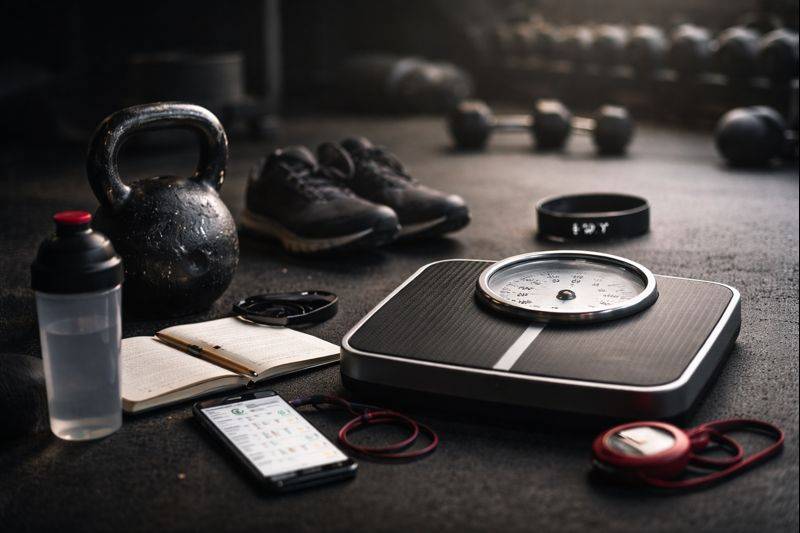
Most people train symptoms
Why Traditional Approaches Fail
They chase weight, soreness, calories, or motivation.
That’s why results stall.
Because systems go unmeasured.
At Fluid, we measure the system first — then build the plan.
What's Included in Your Baseline Analysis?
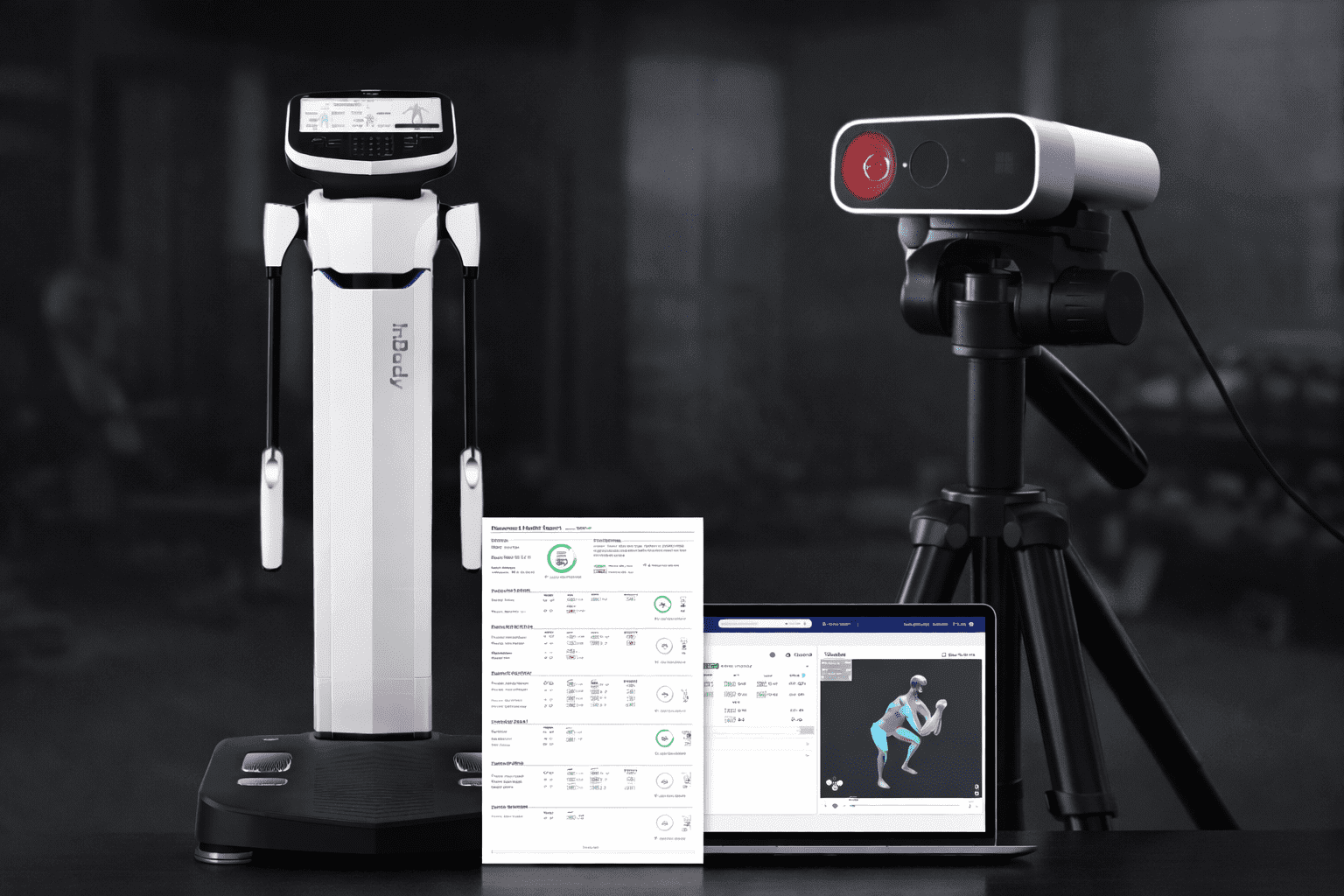
✔ 3D motion capture (movement efficiency & asymmetries)
✔ InBody body composition (muscle vs fat, segmental lean)
✔ One-on-one debrief (your plan, not a printout)
Want to add a Precision Upgrade?
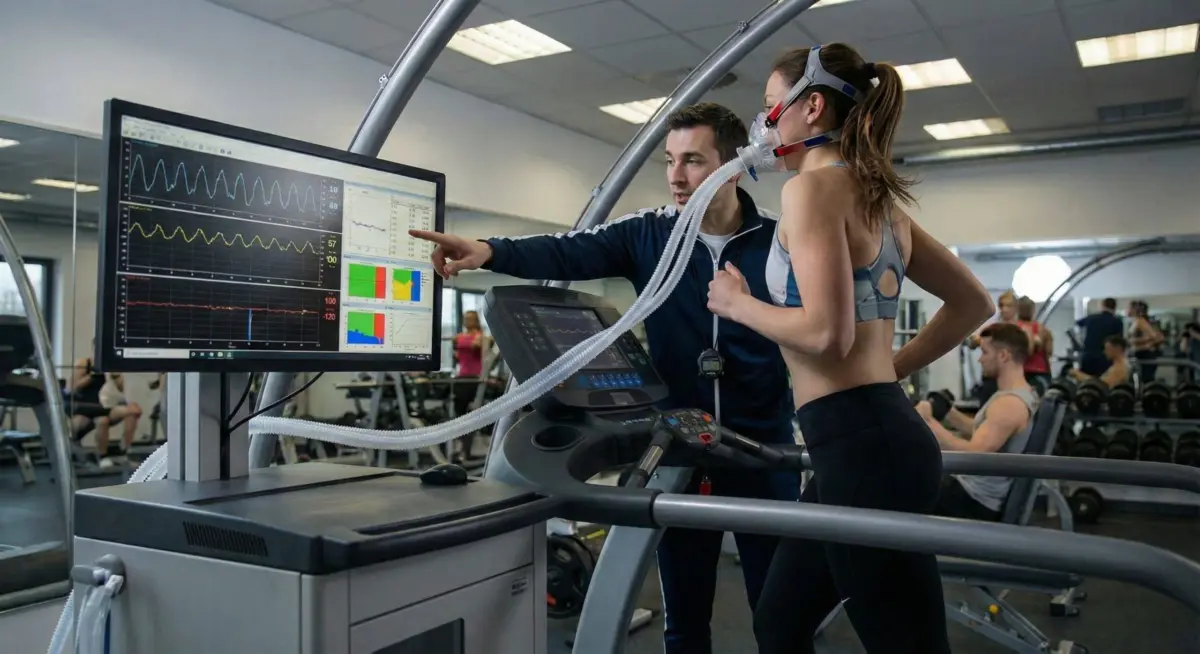
✔ Resting or Active Metabolic Test
(Know your BMR and train in the right zones, not guess)
(+$100)
Latest Insights and Tips
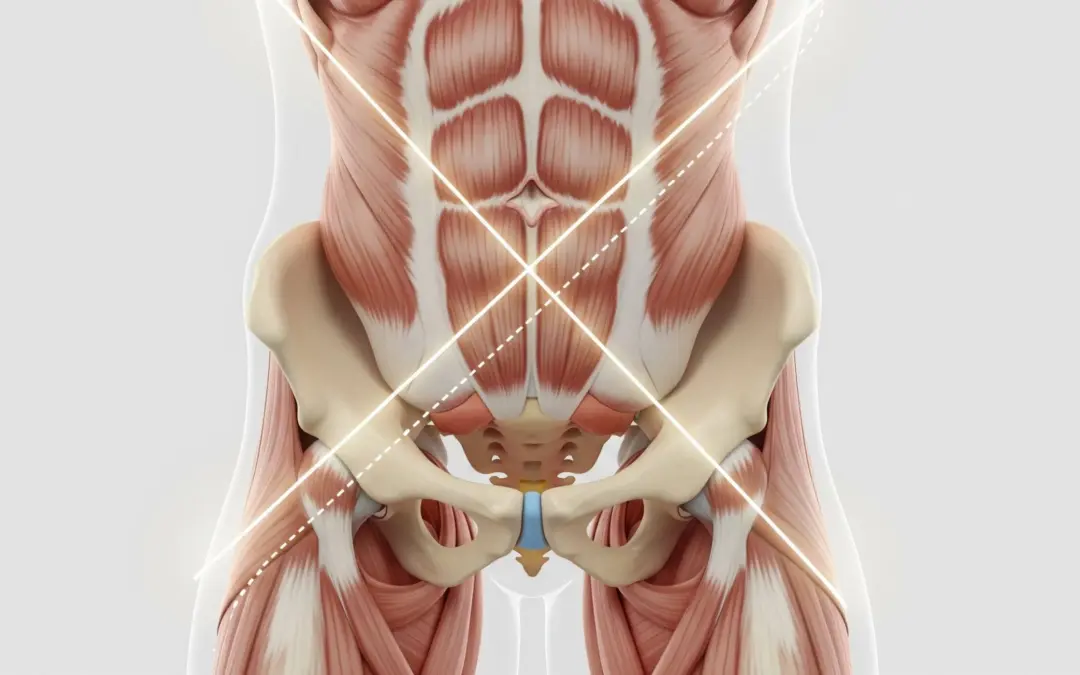
Separate to Integrate: The Forgotten Intelligence of Trunk Rotation
Human movement is not just about how much weight you can lift or how fast you can run—it’s about how intelligently you can organize your body to generate power without breaking yourself in the process. At the center of this organization lies an often-overlooked skill: trunk dissociation—the ability to rotate your rib cage independently from your pelvis. Read more..
Mastering the Frontal Plane: A Week 6 Guide to Stance Mechanics
Week 6 of the Applied Fundamentals course at Fluid Health and Fitness deepened the exploration of frontal plane mechanics, focusing on the shoulders, core, and feet—the endpoints and central hub of the kinetic chain. This week emphasized how the scapulothoracic, glenohumeral, lumbopelvic, and ankle-foot complexes coordinate to maintain load balance, postural symmetry, and dynamic control in the frontal plane
Mastering the Frontal Plane: A Week 5 Guide to Stance Mechanics
Week 5 of the Applied Fundamentals course at Fluid Health and Fitness marked the transition into frontal plane biomechanics, examining side-to-side control and balance during stance. This week focused on the cervical and cranial regions, the thoracic spine, and the femoroacetabular (hip) and femorotibial (knee) joints—each playing a pivotal role in maintaining symmetry, alignment, and dynamic stability under load.